Prioritizing Self-Care: Unlocking the Key to Living Your Best Life with Chronic Illness

Chronic illness can have a significant impact on a person’s physical, emotional, and mental well-being. Managing the symptoms of a chronic illness can be challenging and can lead to feelings of frustration, anxiety, and depression. Practicing self-care techniques can be an effective way for individuals with chronic illness to improve their overall health and well-being.

Here are some reasons why self-care is important for people with chronic illness:

Improved physical health:

Self-care techniques, such as exercise, healthy eating, and getting enough rest, can help individuals manage the physical symptoms of chronic illness, such as fatigue, pain, and inflammation.

Reduced stress:

Chronic illness can be stressful, and stress can exacerbate symptoms. Self-care techniques, such as meditation, deep breathing, and mindfulness, can help reduce stress levels and improve overall well-being.

Enhanced emotional and mental health:

Chronic illness can take a toll on a person’s emotional and mental health, leading to anxiety, depression, and other mental health concerns. Self-care techniques, such as therapy, support groups, and journaling, can help individuals cope with these challenges and improve their emotional and mental well-being.

Increased sense of control:

Chronic illness can make individuals feel like they have little control over their health and well-being. Practicing self-care techniques can help individuals feel more empowered and in control of their health and wellness.

Promotes self-awareness:

Self-care requires individuals to be attuned to their own needs and symptoms. By practicing self-care techniques, individuals can develop a greater awareness of their body and mind, which can help them recognize changes in their health and take appropriate action.

Offers a sense of community:

Practicing self-care techniques can also connect individuals with others who are going through similar experiences. This can provide a sense of community, support, and validation, which can be especially important for those with chronic illness who may feel isolated or misunderstood.

Prevents burnout:

Practicing self-care techniques can help individuals prevent burnout, which is a state of emotional, physical, and mental exhaustion caused by prolonged stress. This is especially important for those who may be caring for others or managing multiple responsibilities, in addition to managing their chronic illness.

Improves relationships:

Self-care can help individuals develop a better relationship with themselves, which can, in turn, improve their relationships with others. When individuals take care of themselves, they may feel more energized, patient, and compassionate towards others.

Boosts self-esteem:

Chronic illness can take a toll on a person’s self-esteem and confidence. Practicing self-care techniques, such as positive self-talk and self-compassion, can help individuals improve their self-esteem and build a more positive self-image.

Enhances productivity:

When individuals prioritize self-care, they may be more productive in other areas of their lives, such as work or school. By taking care of their physical, emotional, and mental health, individuals may feel more focused, energized, and motivated to tackle their tasks and responsibilities.

Improves quality of life:

Ultimately, self-care is about improving one’s overall quality of life. By prioritizing self-care, individuals can enhance their physical health, emotional well-being, relationships, and productivity, which can lead to a more fulfilling and satisfying life.

In summary, self-care is important for preventing burnout, improving relationships, boosting self-esteem, enhancing productivity, and improving quality of life. It is a critical aspect of managing chronic illness and should be prioritized as part of an individual’s overall wellness routine.

Overall, self-care is an essential component of managing chronic illness. By prioritizing self-care, individuals can improve their physical, emotional, and mental health, reduce stress, and increase their sense of control over their health and well-being.

To your best health!

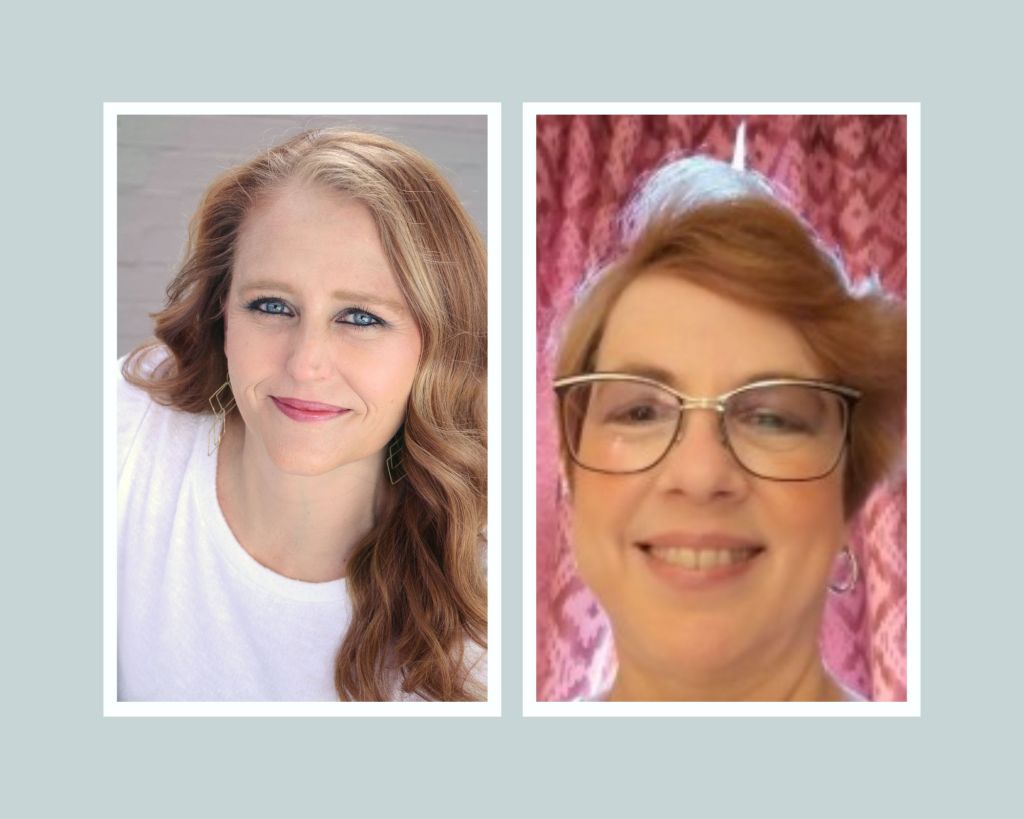
Irene Roth

A Letter To My Chronic Illness by Melissa Adams

Dear Chronic Illness,

I didn’t ask for you. I definitely didn’t want to you to change the entire trajectory of my life. I never dreamt I would manage unbelievable pain every single day, surgeries, medications, treatments, doctors, constant judgements, and the feeling of being a burden. Because of you, I missed normal milestones like graduating college, working, getting married, and having kids. For a long time, you left me angry, bitter, sad, lost, and hopeless for my future. I honestly felt powerless against you.

But here is the twist. You also taught me invaluable lessons and gifted me incredible self-awareness and empathy for others. You showed me what matters in life and what really doesn’t. You showed me how strong I can be and that you truly never know what life has in store. I got my power back when I accepted you as a presence in my life but not who I am. For too long, I let you dictate my identity, the very core of my being. I never noticed how often I repeated the same sentiments over and over again. “I am weak, I am alone and I can’t live this way.” I gave these words power. I gave them validity. This ended up being my truth for decades. Now, I know that I am more than my pain, more than my illness and a stronger and better human because of it. Do I wish I never had you in my life? Of course! Who wants pain and illness?! However, I am grateful you led me on a path of self-discovery, self-acceptance and straight to the best community of people I have ever met; the chronic illness community. You will continue to affect my life for better or worse but I will never let you consume my identity again!

Melissa Adams

My “I am Not My Pain” Podcast Reflections

Recently, I took part in the “I’m not my Pain” podcast with Melissa Adams.The podcast was so wonderful to participate in. I just learned so much!

But more than that, the host Melissa Adams is beyond wonderful and empathic!  She is a host like no other I ever had. Thank you, Melissa!

In this blog, I would like to discuss a few aha moments that I had during the podcast. In blogs that follow this month and next, I will be delving further into some of my reflections and aha moments after this podcast.

It can be hard to separate yourself from your pain since it affects every part of your life and especially your attitude and mindset. It is when you realize that you are so much more than your pain that you can thrive and live a wonderful life. Each one of us can do that for oureselves.

When I was first diagnosed with osteoarthritis, I was pretty sure my life was over. But that wasn’t the case at all. I am a testament to the fact that we can live well with arthritis or any chronic condition.

How can we do this?  Well here are a few tips I’d like to share with you.

First, watch your self-talk. Many times, what we say to ourselves over and over can become a self-fulfilling prophecy.  In other words, if you keep telling yourself that you will never get better or that your life is over, you may just bring it about.

Further, our negative self-talk can affect our attitudes and mood. So, it is especially important to become mindful of what you tell yourself about your chronic illness. If you can try to be as confident as you can, this will positively affect your overall health and well-being. But, unfortunately, if you say negative things to yourself a lot of the time, this too will impact how you live your life.

Second, realize that having a chronic condition is not all negative. There are many blessings about learning how to slow down, declutter parts of our lives, and doing some of the things we enjoy every day. Taking the time to figure out what these things are for you can have a significant impact on your well being, too.

When we were in our younger years without chronic illness, we probably overdid it a lot of the time. We may have had a difficult time to make time to do the things we enjoy. We even could have had a hard time figuring out what we needed to do to make our life more meaningful.

I felt that way for the first few decades prior to my diagnosis. However, when I became chronically ill and started reflecting on what’s most important, the answers started popping into my awareness. This is when my life became so much more meaningful.

Third, you are so much more than your arthritis or any other chronic condition. You don’t have to identify with it. Remember, you have a chronic condition, it doesn’t have you unless you believe it defines you.

We have our chronic condition. Yes, we will have bad days and good days. But we are still in control of our lives. We can take the time to rest and be. We can take time to enjoy ourselves. And we could live a good life.

So, take stock today. If you are struggling with a chronic illness, know in every fibre of your being that you can live a good life. Now that spring is around the corner, it can be a great time to take steps towards renewal and replenishment. You have the key, my dear friends.

Stay tuned for more wisdom from the “I am not my Pain” podcast. It’s so amazing when an hour can transform your life to such a degree!

Thank you, Melissa!  You’re the best!

Irene Roth

Welcome to the I am Not My Pain Blog

Welcome to the I Am Not My Pain Podcast blog!

The goal of the I Am Not My Pain Podcast is to build a community of chronic illness warriors whose insightful stories will impact others with pain or illness and create much needed awareness in our society. Our hope is to offer another platform for the chronically ill to share their stories, perspectives, treatments and coping strategies. Whether you want to understand the experience of your chronically ill loved one or you are chronically ill and wishing to learn more from your peers, this is the blog for you!

This blog will showcase every facet of living with chronic illness as well as include some posts from podcast guests.

Please visit this blog often to receive information, inspiration and encouragement on your journey towards living a good quality of life with chronic illness.

We welcome you warmly to our blog!

Melissa Adams and Irene Roth